As the Korean Wave (Hallyu) sweeps the globe, Korean food is no longer an exotic delicacy, but has become deeply ingrained in the daily lives of foodies worldwide. Google search rankings, social media trends, and global food delivery app data all point to the explosive growth of "K-food."
Beyond simply imitating the food of the characters in dramas, foreigners are now paying attention to the nutritional value of Korean food, the science of fermentation, and its unique textures. Here, we introduce 20 of the best Korean dishes that have captivated the world's palates, with detailed explanations.
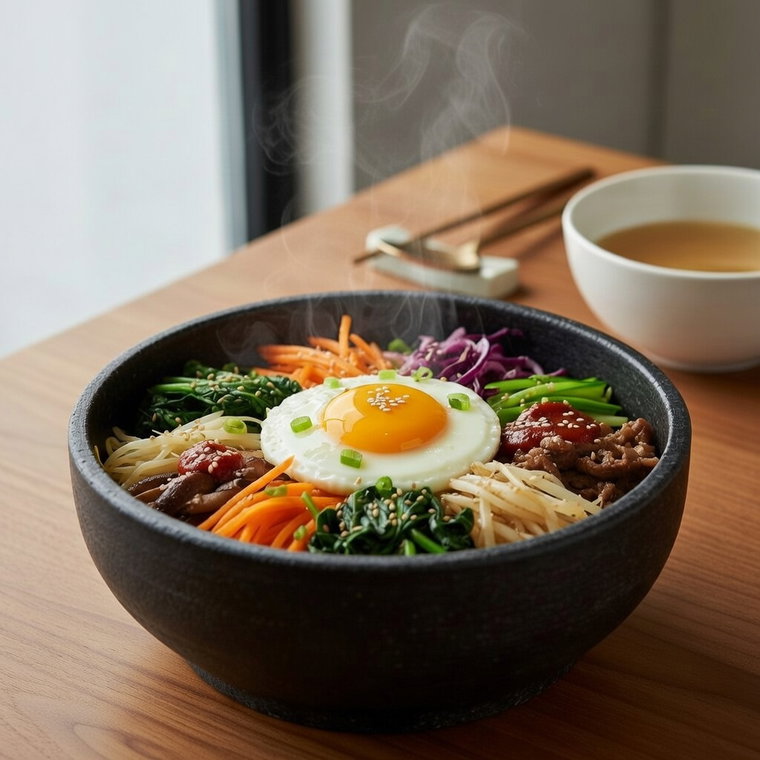 Bibimbap
1. Bibimbap - A bowl of healthy art
Bibimbap is a regular on international media lists of the "healthiest foods." This dish, consisting of white rice topped with various vegetables like bracken, bellflower root, and spinach, meat, and a fried egg, mixed with gochujang (red pepper paste), offers a perfect balance of nutrients. Thanks to its vibrant visual appeal and vegetarian-friendly composition, it's become a popular Korean dish, popular from airline food to fine dining.
2. Bulgogi - A Classic Introduction to K-Food
Bulgogi, thinly sliced beef marinated in a blend of soy sauce, sugar, garlic, and other ingredients, is synonymous with a universally loved flavor. While it's a beef dish familiar to Westerners, it maximizes the unique sweet and salty charm of Korean cuisine, making it easily enjoyed by anyone. The tender meat and rich juices often serve as the first gateway for foreigners to fall in love with Korean cuisine.
3. Korean Fried Chicken - A Revolution of Crispy on the Outside and Crispy on the Inside
While American-style fried chicken emphasizes thick batter and salty flavors, K-chicken is characterized by a thin, crispy batter coated in a variety of sauces. Variations are endless, including sweet and spicy seasonings, garlic soy sauce, and cheese powder. This unique combination, known as "chimaek" (chicken and beer), has become a cult-like phenomenon among young people around the world.
4. Kimchi - A Superfood Created Through Fermentation Science
Kimchi is the essence and heart of Korean cuisine. Made from salted cabbage fermented with red pepper powder, garlic, ginger, and salted seafood, kimchi has captivated health enthusiasts around the world with its powerful lactic acid bacteria and anti-cancer properties. Initially unfamiliar with its strong aroma, even foreigners have embraced its allure, enjoying it in salads, sandwiches, and tacos.
5. Japchae - A colorful variation with a chewy texture
Japchae, a stir-fry of noodles made with sweet potato starch, various vegetables, and meat, is a very exotic dish for foreigners. The chewy texture of the noodles, completely different from Western pasta, is highly addictive. The nutty aroma of sesame oil and the sweet soy sauce seasoning combine to create a popular party dish or appetizer.
6. Samgyeopsal (Samgyeopsal) - The joy of grilling together, K-barbecue
Foreigners often cite "tabletop barbecue" as the most memorable experience when traveling in Korea. Grilling crimson pork belly directly on a grill, then eating it in a large wrap with lettuce, perilla leaves, garlic, and ssamjang, is not just a simple meal, but also a fun part of the culture. The fantastic pairing with soju is also a must-have.
7. Tteokbokki (Tteokbokki) - A K-Street Food Icon
Tteokbokki, chewy rice cakes tossed in a sweet and spicy gochujang sauce, is a frequent guest on dramas and variety shows. While Westerners initially found the chewy texture unfamiliar, they've recently begun to appreciate it for its unique texture. The recent launch of less spicy versions like rose tteokbokki and jjajang tteokbokki has further lowered the barrier to entry.
8. Gimbap - Convenience and nutrition at the same time
The status of kimbap has changed, to the point where frozen kimbap is sold out in major American supermarkets. While sometimes mistaken for "Korean sushi," kimbap, seasoned with sesame oil instead of vinegar and prepared with seasoned ingredients, is now recognized as a healthy meal. Its portability and ability to freely customize the fillings to suit individual tastes are appealing to modern consumers.
9. Soft Tofu Stew - A Gentle, Comforting Taste
This stew, featuring cloud-like soft tofu in a spicy broth, is popular with foreigners seeking a hangover cure or comfort. Specialty soft tofu restaurants are particularly thriving in major cities like New York and Los Angeles. You can add seafood, beef, and other ingredients to suit your taste, and the visual impact of the stew bubbling in the earthenware pot is captivating.
10. Galbi - The Icon of Premium Korean Cuisine
Galbi, delicately marinated and marinated in seasoning, is considered a premium dish, a step above bulgogi. The joy of tearing meat off the bone and the sweet, charcoal-infused flavor of the meat are praised in cultures around the world that enjoy meat dishes.
11. Haemul Pajeon (Seafood Pancake) - The Charm of Korean Pizza
Pajeon, a pancake made with various seafood and green onions, is fried in oil and is called "Korean Savory Pancake." The contrast between the crispy edges and moist interior is exquisite, and the Korean narrative of enjoying it with makgeolli on a rainy day has made it a romantic Korean dish among foreigners.
12. Kimchi Jjigae - Korean Soul Food
Kimchi stew, a simmered stew of well-fermented kimchi and pork, epitomizes the deep, savory flavor of Korean cuisine. It's a favorite among Korean food enthusiasts who are accustomed to spicy flavors. The way the soup is mixed with white rice allows foreigners to experience a truly authentic Korean dining experience.
13. Samgyetang (Samgyetang) - A health-conscious dish
Samgyetang, a stew made with ginseng, jujubes, garlic, and glutinous rice stuffed inside a young chicken, is recognized as a "healthy, medicinal food." The clear, mild broth and tender meat are a welcome addition even to foreigners who shy away from spicy flavors. It's also a top "must-eat" dish for Asian tourists, especially when visiting Korea.
14. Mandu - Juicy meat in a thin skin
Korean dumplings, with their distinct charm from Chinese dim sum or Japanese gyoza, boast a rich flavor, with their thin skins filled with meat, vegetables, and sometimes kimchi. Thanks to the successful global expansion of Korean brands like Bibigo, they have become a familiar K-food, easily found in frozen food aisles around the world.
15. Doenjang Jjigae (Soybean Paste Stew) - The deep aroma and flavor of Korea
Doenjang jjigae, with its rich, fermented soybean flavor, is a staple of Korean cuisine. While its distinctive aroma may initially be a hit or miss, once you get used to its savory flavor, it's considered one of the most addictive dishes. Another major benefit is its health benefits, as it's rich in plant-based protein.
16. Hotteok (Hotteok) - Sweet Winter Temptation
Hotteok, a Korean winter street snack, instantly captivated international palates with its cinnamon-flavored brown sugar, honey, and nutty flavor. The sweet syrup melting inside the crispy dough has even earned it the moniker "one of the world's most delicious desserts."
17. Naengmyeon (Cold Noodles) - The Aesthetics of Coolness
Naengmyeon, a cold broth with floating ice cubes and chewy buckwheat noodles, is a dish that is both unfamiliar and refreshing to foreigners. Even those who are surprised by the concept of "eating noodles cold" are often captivated by the refreshing taste of naengmyeon, enjoyed as a palate cleanser after a meal of galbi.
18. Bossam - A Healthy Meat Alternative
Bossam, made by boiling pork with the fat drained, is popular among health-conscious foreigners due to its perceived health benefits compared to grilled meat. The combination of bossam wrapped with freshly made kimchi showcases the unique Korean "ssam" (wrapping) and "fermentation" cultures.
19. Jajangmyeon (Jjajangmyeon) - The temptation of a unique black color
Jjajangmyeon, a Korean-style Chinese dish, is one of the most intriguing dishes featured in movies and dramas. The visual impact of the black soybean paste sauce, the fun of mixing it together, and the sweet and salty flavor are enough to captivate palates from children to adults around the world.
20. Bungeoppang (Bungeoppang) - Sweetness Behind the Cute Shape
Bungeoppang, baked in a fish-shaped mold filled with red bean paste or custard cream, is a popular choice for social media photos thanks to its cute appearance. Westerners, unfamiliar with red bean paste, are discovering the allure of "sweet beans" through bungeoppang, and it's recently gained popularity in pop-up stores in various global cities.
Beyond taste, a cultural experience
The popularity of Korean food goes beyond mere flavor diversity. It's the result of Korea's cultural depth and health philosophy reaching people around the world. The dedication of fermentation, the nutritionally balanced presentation, and the culture of "jeong" (affection) that comes with sharing a meal together make Korean food even more special. K-food has now established itself as a prominent and indelible presence on the global culinary map.